
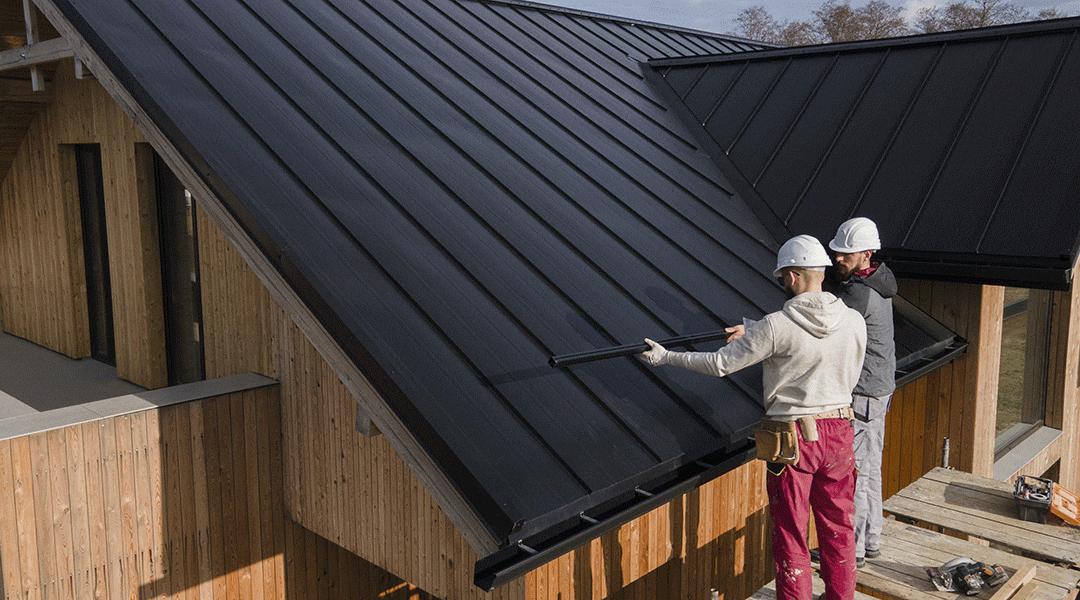
Your roof has to withstand all of the elements, from high winds and rain to harsh sunlight and even hail. Over time, the structure can experience plenty of wear and tear. Scheduling a professional roof inspection gives you a comprehensive look at your roof’s condition as it ages.
How often should you have your roof inspected? What are some common signs of roof damage that experts look for? Get answers to these questions and more in this guide from Roofs for Life, Inc.
How a Professional Roofer Offers Peace of Mind
No matter what type of roofing material you have overhead, exposure to the elements can create lasting damage. No roofing system lasts forever, but how can you tell if yours is due for replacement? Considering hiring a professional roofer in Bradenton to conduct an inspection and offer personalized recommendations.
Experts can spot the signs of damage on asphalt shingles, metal roofs, clay tiles, and more. If your rooftop happens to have significant damage and needs immediate repairs or replacement, a qualified inspector can help kickstart the process. On the other hand, if the structure remains strong and sturdy, you’ll have peace of mind knowing all is well.
Reap the Benefits of an Annual Roof Inspection
If you ask an expert, “How often should you have your roof inspected?” they’ll likely tell you that annual inspections are wise. Booking this service once a year is ideal because the local climate and the roof’s natural aging process may lead to structural problems. Over the course of the year, your structure may develop issues that you’re unaware of, such as cracked shingles or granule loss.
Putting off an inspection could cause these problems to worsen. By the time you have a professional make an assessment, the damage may be widespread and expensive to repair. The top benefits of annual inspections include:
- Timely repairs: If an inspector finds any problems with your system, they’ll help you schedule prompt repairs.
- Cost savings: Investing in regular maintenance ensures the structure stays in excellent condition, reducing roof repair costs.
- Peace of mind: You’ll feel better once you have an expert rule out major issues with your roof or identify problems that need immediate attention.
Are Additional Roof Inspections Necessary?
How often should you have your roof inspected if it’s over 20 years old? Will you need an additional inspection if your property experiences storm damage? While most people only need an annual roof inspection, there are a few instances that call for more frequent checks.
Suppose a contractor checks your roof every spring. You might need to book a subsequent service in the following situations:
- The roof is several decades old: Focus on aging roof considerations and plan on biannual inspections as a precaution.
- You suspect storm damage: Your springtime inspection won’t be any help if strong storms affect your property all summer. Book a severe weather inspection after a storm hits.
- You need to file an insurance claim: Insurance companies may not approve roof damage claims without a professional inspection.
- New signs of damage emerge: Don’t hesitate to call an expert if you suddenly notice your roof sagging, leaking, or experiencing other signs of damage.
- You wish to sell your house: Consider booking an inspection before listing your home so you can properly disclose its condition to prospective buyers.
So, how often should you have your roof inspected? Start with a yearly check, and schedule subsequent inspections if your situation changes.
Common Roof Damage Signs That Inspectors Look For
When you book a professional roof inspection, expect the contractor to follow a lengthy checklist of items. They want to rule out every possible issue that may impact the structure. This includes:
- Damaged or missing flashing
- Curled, cracked, or missing shingles
- Puncture spots from hail
- Moisture intrusion
- Granule buildup inside gutters
- Gutter and downspout damage
Based on their findings, specialists can offer roof maintenance tips to protect your system. For example, if the roof has mold growing in one area because a low-hanging tree branch provides constant shade, contractors may advise you to remove the branch. This may also prevent storm damage in case high winds snap the branch off the tree and onto the roof.
Can You Perform a DIY Roof Inspection?
You shouldn’t have to wonder, “How often should you have your roof inspected?” after reading the tips above. However, you may be curious about whether this is a DIY job or not.
Some property owners believe they can assess their roofs on their own and make a final determination of their condition. In reality, it’s best to leave this task to the professionals.
Roofers evaluate all aspects of the structure, which can be dangerous for amateurs, especially if the roof has a steep slope or is structurally unsound. Most property owners only notice visible damage, such as curled or missing shingles. Licensed contractors know how to identify hidden problems that may lead to the roof’s deterioration.
Are you looking to sell your home or file an insurance claim following storm damage? A DIY inspection is unacceptable. Only a certified contractor can check the roof and compile their findings in a report that will go to the insurance company or be made available for prospective buyers.
If you need to find a qualified roofer for the job, look for companies that are licensed and insured, have years of experience, and offer comprehensive services, including inspections, roof repairs, and more.
Book a Roof Inspection Today Through Roofs for Life, Inc.
How often should you have your roof inspected? What should you consider when choosing a roofing system? Why does a rigid roof maintenance schedule matter?
These are just some of the many questions we hear from concerned customers. At Roofs for Life, Inc., we’re committed to keeping local property owners safe with high-quality residential and commercial roofing systems. Let one of our specialists inspect your rooftop to rule out any major problems and keep it in excellent condition.
To schedule an inspection, call (941) 877-2214 or submit our online form.
